Living in Wellesley MA Through Its Village Centers
May 7, 2026
May 7, 2026
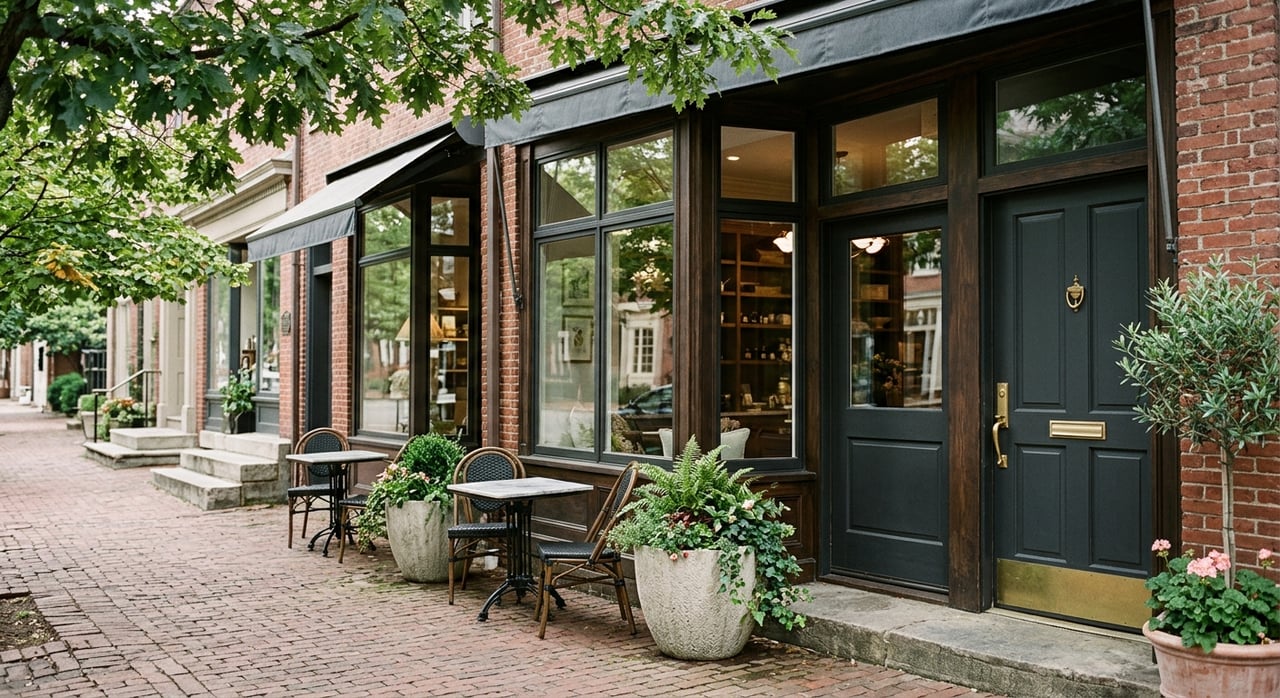
If you are trying to picture daily life in Wellesley, here is the key thing to know: it does not revolve around one oversized downtown. Instead, Wellesley is shaped by a collection of village centers where errands, coffee runs, dining, green space, and commuter access all come together in a more local, day-to-day way. That setup gives you a lifestyle that can feel both convenient and calm, and it is a big reason buyers are drawn to the town. Let’s take a closer look.
Wellesley sits about 10 miles west of Boston and describes itself as a mature suburban community set on low rolling hills. Over time, it developed as a group of villages, including Fells, Hills, Farms, Falls, and Square. Today, those village centers still shape how people move through town.
Instead of depending on one central business district, you tend to use the center that fits your routine best. That might mean commuting from one village, meeting friends in another, and handling groceries or services in a third. For many residents, that variety is part of the appeal.
If you want the strongest traditional town-center feel, Wellesley Square is usually where people start. The town describes the Wellesley Square Commercial District as a compact village around Central, Church, Grove, Linden, and Weston roads. It also serves as a civic, social, and governmental center, which gives it an energy that goes beyond shopping alone.
In practical terms, that means your day here can include more than one stop. You might grab coffee, run an errand, visit a local business, and pass by civic buildings or public spaces all within the same area. The result is a center that feels active and useful, not just decorative.
Parking helps support that convenience. The town maintains metered street parking as well as off-street lots in and around the square, so access is designed to support regular use.
Transit adds another layer. Wellesley has three commuter rail stations on the Framingham/Worcester line, and the Wellesley Square station saw accessible mini-high platforms open in February 2025, making daily use easier for riders with strollers, bags, or mobility needs.
One reason Wellesley Square stays lively is its broad dining mix. Current local directories show options such as Italian, tapas, bakery fare, coffee, ice cream, Thai, sushi, pizza, seafood, and health-forward dining concentrated around nearby streets.
That range matters because it supports different parts of the day. The area can feel busy at lunch, useful for after-school or after-work stops, and active again in the evening. For buyers who value a walkable routine, that kind of steady rhythm stands out.
Church Square extends the core in a way that feels convenient and approachable. It presents itself as a shopping and dining destination with free parking and a location about a five-minute walk from the Wellesley Square station.
That makes it easy to picture in daily life. You can park, pick up a few things, meet someone for a meal, and still stay close to the broader village center. In a suburban setting, that mix of walkability and easy parking can make a real difference.
Linden Square has a slightly different role. While Wellesley Square feels more civic and social, Linden Square works especially well as an errands-and-services hub.
Its official site highlights restaurants and cafés, spa and beauty services, fitness studios, a grocery store, dry cleaners, a bank, and boutiques. It also offers ample free surface parking and daily hours from 10 a.m. to 9 p.m., which supports both quick errands and more relaxed stops.
For many buyers, this is an important part of the Wellesley lifestyle story. You are not only choosing a beautiful suburb. You are choosing a place where many day-to-day needs can be handled close to home.
Wellesley Hills offers a different experience from the square area. The town’s design guidelines describe it as a Washington Street corridor running about a mile from Forest Street to Worcester Street, with few businesses off the main road.
Buildings are generally close to the sidewalk, but the area is more linear and more vehicular in orientation than Wellesley Square. Parking is mostly behind buildings, and the overall feel is less about strolling a compact center and more about moving along a useful corridor of services and stops.
That does not make it less appealing. It simply means Wellesley Hills often works well for people who value a village setting but want a more straightforward, practical rhythm for everyday use.
Civic spaces still play an important role here. Elm Park is the only town-owned green space in the business area, and the Hills Branch Library adds a neighborhood-scale amenity along Washington Street.
These kinds of public spaces help keep the village identity intact. Even when a center is more car-oriented, nearby civic amenities can make it feel grounded and connected to the wider community.
If you are drawn to a slower pace and more natural scenery, Lower Falls brings another side of Wellesley into view. The area includes a village commercial district, but it also stands out for its connection to the Charles River corridor and nearby trails.
Town trail materials highlight walks along the Charles River, Indian Springs Park, the Cochituate Aqueduct, and the Cordingly Dam footbridge. The Lower Falls Riverway also includes parking and trails, which makes the area both a neighborhood node and an access point for outdoor recreation.
This is part of what makes Wellesley’s village structure so appealing. One center may support dining and errands, while another gives you quick access to river walks and a more scenic atmosphere.
In Wellesley, green space is not an afterthought. The town estimates that about 33% of Wellesley is open space, and its Park & Tree division maintains 642 acres of passive recreation areas.
That includes places such as Fuller Brook Park, Clock Tower and Elm Park, Church Park, and the Town Hall grounds. These spaces help the village centers feel more livable and less purely commercial.
Fuller Brook Park is especially important near the center of town. The Brook Path runs for more than 3 miles through the middle of Wellesley, connects to the Waban Arches aqueduct and Crosstown Trail, and is described by the town as its most popular and well-used public park.
It also provides a safe pedestrian alternative away from heavier Washington Street traffic. For residents, that means a walk, jog, or quieter route through town can become part of everyday life rather than an occasional weekend plan.
Wellesley’s village centers are not only about stores and restaurants. Civic and institutional spaces help give them staying power and make them feel woven into daily routines.
The Wellesley Free Library’s main branch describes itself as a community gathering place and cultural destination, with Hills and Fells branches extending that network across town. The Tolles Parsons Center adds a café, patio, lending library, fitness center, dance studio, and activity rooms.
Wellesley College also contributes to the town-center feel. The college notes that the town center is a short walk from campus and includes practical stops like a pharmacy, bookstore, coffee shops, and restaurants, while the Wellesley Square stop sits just past the first block of campus.
Taken together, these pieces make the village centers feel layered. You are not just near retail. You are near places that support civic life, recreation, culture, and everyday routines.
If you are considering Wellesley real estate, the village centers can have a real impact on how a home fits your lifestyle. Some buyers want the strongest walkable connection to Wellesley Square, Church Square, or Linden Square. Others prefer the more linear feel of Wellesley Hills or the scenic access around Lower Falls.
That is why location inside the same town can feel very different from one property to the next. Your ideal fit may depend on whether you prioritize commuter access, dining, errands, public spaces, or nearby trails.
When you look at homes in Wellesley, it helps to think beyond square footage and finishes. The village center that supports your routine may shape your daily experience just as much as the house itself.
If you are weighing where to focus in Wellesley or planning a move within MetroWest, the Barry-Beaver Team can help you evaluate how location, lifestyle, and long-term value come together.
Stay up to date on the latest real estate trends.
Barry-Beaver Team is dedicated to helping you find your dream home and assisting with any selling needs you may have. Contact us today to start your home-searching journey!