Boston vs Western Suburbs for Homebuyers: What Fits?
May 28, 2026
May 28, 2026
If you are torn between Boston and the western suburbs, you are not alone. Many buyers find themselves weighing city access against living space, transit options against a quieter residential setting, and condo living against a more traditional single-family home. The good news is that the choice becomes much clearer once you focus on how you want to live day to day and what kind of home will serve you well over time. Let’s dive in.
The biggest difference between Boston and towns like Newton, Wellesley, Needham, and Belmont is not just price. It is the rhythm of daily life, the type of housing stock, and the kind of environment you want around you.
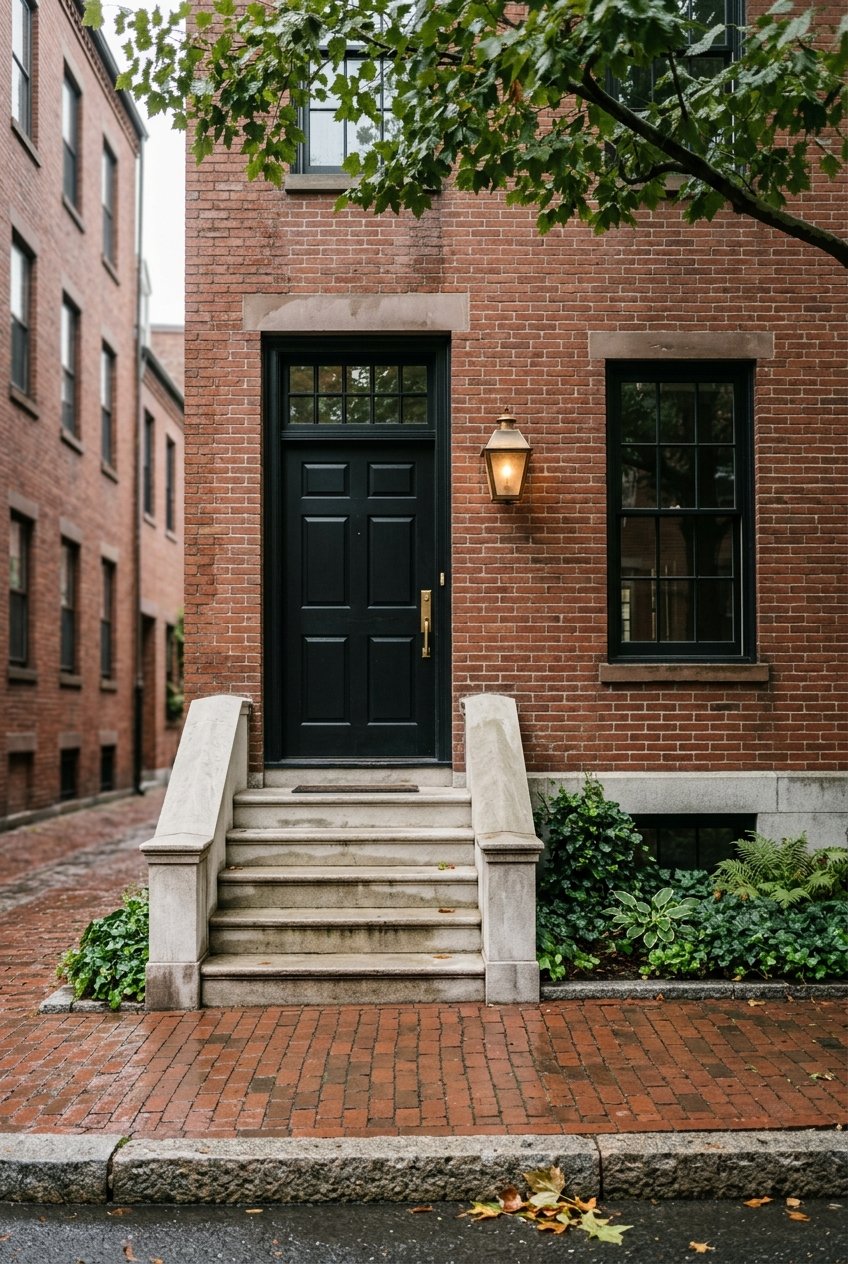
Boston is much denser, with 13,976.7 people per square mile, and it has a much lower owner-occupancy rate at 35.7%. Its housing stock is also heavily weighted toward multi-unit buildings, including 2 to 4 unit properties, mid-size apartment buildings, and larger multifamily buildings. In practice, that makes Boston a stronger fit if you want urban access, lower-maintenance living, and housing types like condos, townhomes, or smaller multi-family properties.
The western suburbs offer a different pattern. Newton, Wellesley, Needham, and Belmont all have higher owner-occupancy rates, larger household sizes, and more residential housing mixes. If you picture more indoor space, a yard, or a setting built more around owner-occupied homes, these towns may line up more closely with your goals.
One of the smartest ways to narrow your search is to look at the dominant home type in each market. When your needs match the housing stock that is most common in a town, your search often becomes more efficient and resale can be more straightforward later.
Boston’s housing mix tells a very clear story. About 12% of housing is 1-unit detached, 6% is 1-unit attached, 39% is 2 to 4 units, 20% is 5 to 19 units, and 23% is 20+ units.
That structure gives buyers a broad range of attached housing choices. If you want a home that is transit-connected, relatively easy to maintain, and tied closely to city living, Boston often makes sense.
Newton is often the most balanced option for buyers who want some urban convenience without giving up a more suburban feel. It has 4,987.8 people per square mile and a 70.0% owner-occupied rate, which puts it well above Boston in ownership patterns while still offering a more varied housing inventory than some nearby suburbs.
Newton’s 2022 housing snapshot shows 17,184 single-family homes, 5,235 condos, 5,386 two-family units, 819 three-family units, and 4,328 apartment units out of 33,054 total units. That mix can be especially appealing if you want flexibility in both home type and neighborhood feel.
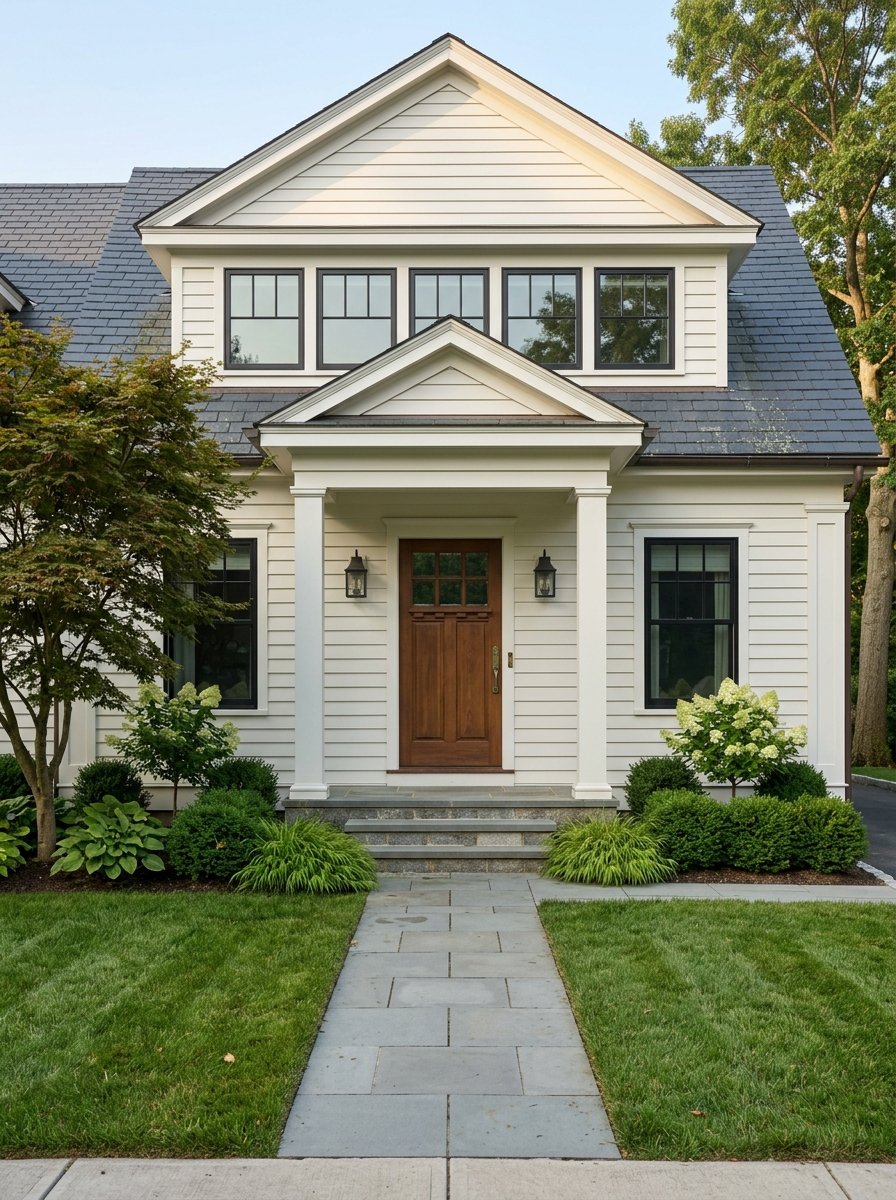
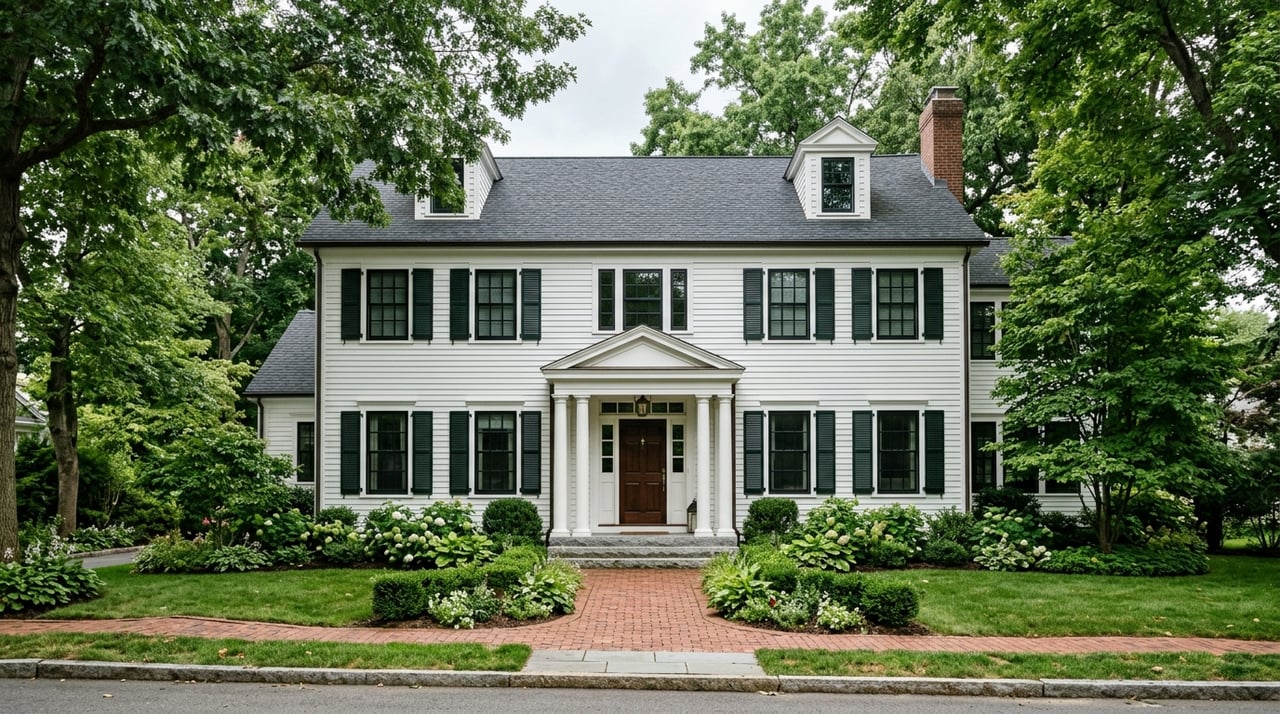
Wellesley and Needham are much more single-family oriented. Wellesley’s housing market study reports an 84.5% single-family share, and local planning materials say the large majority of its homes are single-family detached properties.
Needham is similar, with 81.9% single-family housing. If your search centers on a traditional ownership market with more family-sized homes, these two towns are often strong matches.
Belmont is more mixed than Wellesley and Needham, but it is still far less urban than Boston. Local housing data indicate that roughly half of Belmont’s housing units are single-family homes, about one-third are two-family homes, about 10% are in 3 to 4 unit buildings, and the remaining 7.2% are in smaller- and medium-sized multifamily buildings.
That makes Belmont a compelling option if you want an inner-suburb feel and more housing variety than you may find in strongly single-family towns.
Your housing needs today matter, but so do your likely needs in five years. A home that feels efficient now may feel tight later, while a larger property may offer flexibility if your work setup, household size, or daily routine changes.
Boston often works well for buyers who prioritize convenience over square footage. The western suburbs often appeal to buyers who want more room to spread out and who expect space needs to grow or stay important over time.
This is also where resale comes into the picture. A home that fits the dominant buyer demand in its town can be easier to position later when it is time to sell.
At first glance, commute times across Boston and these western suburbs look surprisingly close. Census figures place mean commute times at 30.3 minutes for Boston, 26.6 minutes for Newton, 27.2 minutes for Wellesley, 27.7 minutes for Needham, and 29.3 minutes for Belmont.
But similar averages do not mean the experience is the same. The better question is how you commute, how often you commute, and how much you value flexibility and reliability.
Boston has the broadest transit network of the group. If you want the widest range of public transit options and the ability to rely less on a car, the city stands apart.
Newton has Green Line D service plus commuter rail. Wellesley has commuter rail service to Boston on the Framingham/Worcester line and nearby Green Line access. Needham has four commuter rail stops, and Belmont is served by the Fitchburg Line with Belmont and Waverley stations.
For many buyers, this means the suburbs are not simply a tradeoff of space for isolation. You can often gain more living space while still keeping a workable connection to Boston.
MBTA commuter rail fares are distance-based, with one-way fares currently listed from $2.40 to $13.25, and monthly passes varying by zone. If you expect to commute regularly, those costs should be part of your planning along with time and convenience.
Neighborhood feel can sound subjective, but the housing and census numbers offer useful clues. Boston’s lower owner-occupancy rate, smaller average household size, and heavier multi-unit housing stock point toward a more urban and renter-heavy market.
The western suburbs show a different pattern. They have higher owner-occupancy rates, larger households, and higher median household incomes, which often support longer ownership periods and demand for homes that serve buyers looking for more space.
Median household income is $97,344 in Boston, $190,304 in Newton, $183,137 in Belmont, $214,308 in Needham, and more than $250,000 in Wellesley. Those differences help explain why the same amount of square footage can appeal to very different buyer pools depending on where you buy.
A home purchase is personal, but it is also a market decision. One of the best ways to protect your future flexibility is to think about whether the home you buy fits the strongest buyer pool in that town.
In Boston, that often means transit-connected condos, townhomes, and smaller multi-unit properties. In Wellesley and Needham, the market is much more centered on single-family homes. Newton falls between those poles, while Belmont can be more nuanced because location, renovation quality, and building type can all shape demand.
This does not mean you should avoid a less common property type. It does mean you should go in with a clear understanding of how that home fits the local market.
If you are deciding between Boston and the western suburbs, these questions can help bring your priorities into focus:
The right answer is rarely one-size-fits-all. It usually comes down to matching your daily life, long-term plans, and budget with the market that fits them best.
If you are weighing Boston against Newton, Wellesley, Needham, or Belmont, a local, data-driven comparison can make the decision far less overwhelming. The Barry-Beaver Team can help you evaluate where your priorities align and what type of home gives you the strongest fit for both lifestyle and long-term value.
Stay up to date on the latest real estate trends.
Barry-Beaver Team is dedicated to helping you find your dream home and assisting with any selling needs you may have. Contact us today to start your home-searching journey!