Belmont MA Commute to Boston: What Buyers Should Know
May 21, 2026
May 21, 2026
If you want an easier trip into Boston without giving up a suburban feel, Belmont is likely already on your shortlist. For many buyers, the real question is not whether Belmont is appealing, but whether its commute options, housing costs, and day-to-day convenience actually match the way you live. This guide breaks down what Boston commuters should know about Belmont so you can decide if it fits your routine, budget, and priorities. Let’s dive in.
Belmont sits on Cambridge’s western border, about 8 miles from Downtown Boston. That close-in location gives you a shorter geographic distance to the city than many outer suburbs, while still offering a more residential setting.
The town’s latest Census estimates show 27,118 residents across 4.65 square miles, with a mean commute time of 29.3 minutes. Those numbers support Belmont’s reputation as a professional commuter suburb rather than a far-out bedroom community.
For many buyers, Belmont’s biggest strength is that you are not limited to just one way of getting around. Depending on where you live in town, you may be able to combine rail, bus, driving, and parking options in a way that fits your workweek.
Belmont’s transit network includes the Fitchburg Line at Waverley Station. A recent town project memo also notes that Waverley Square is served by MBTA bus Routes 73 and 554.
Route 73 is especially relevant for Boston-area commuters because it connects Waverley Square and Harvard. The same memo says it runs from early morning to after midnight on weekdays and also operates on weekends, which can be helpful if your schedule is not strictly 9 to 5.
Route 554 connects Waverley Square to Newton Corner and Waltham. If your job is outside Downtown Boston, that added flexibility can matter just as much as a city-bound commute.
Belmont also offers commuter parking, which is a practical advantage for buyers who plan to drive part of the way and use transit for the rest. The town lists weekday commuter parking at Royal Road and the Claflin Street lot, plus municipal lots at Belmont Center, Cushing Square, and Waverley Square.
Monthly commuter passes are available, with the commuter pass fee listed at $90 per month. In a market where some close-in suburbs have limited station parking, that makes Belmont a more workable choice for mixed-mode commuting.
In Belmont, commute convenience is highly location-dependent. Homes closer to Belmont Center or Waverley Square are generally better positioned for rail, bus, or park-and-ride use.
If you are farther from those hubs, your daily routine may rely more on driving or connecting by bus. That does not make those locations less appealing, but it does mean your commute experience can feel very different from one part of town to another.
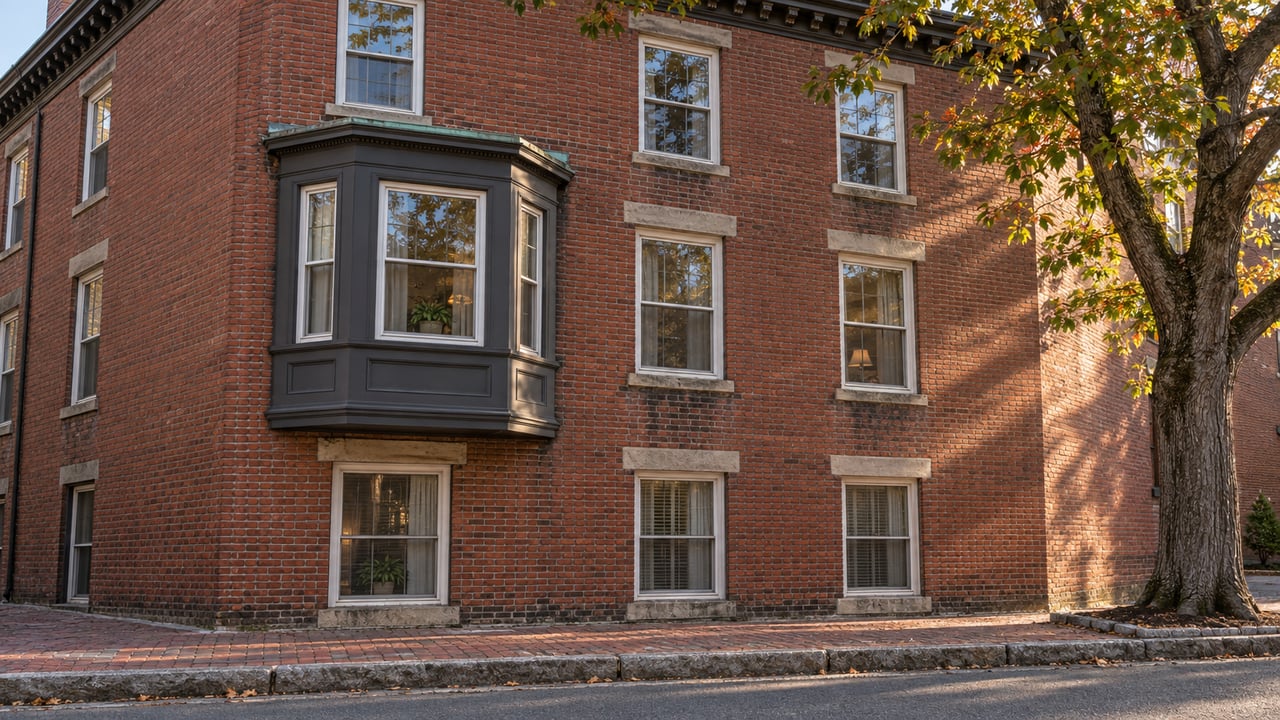
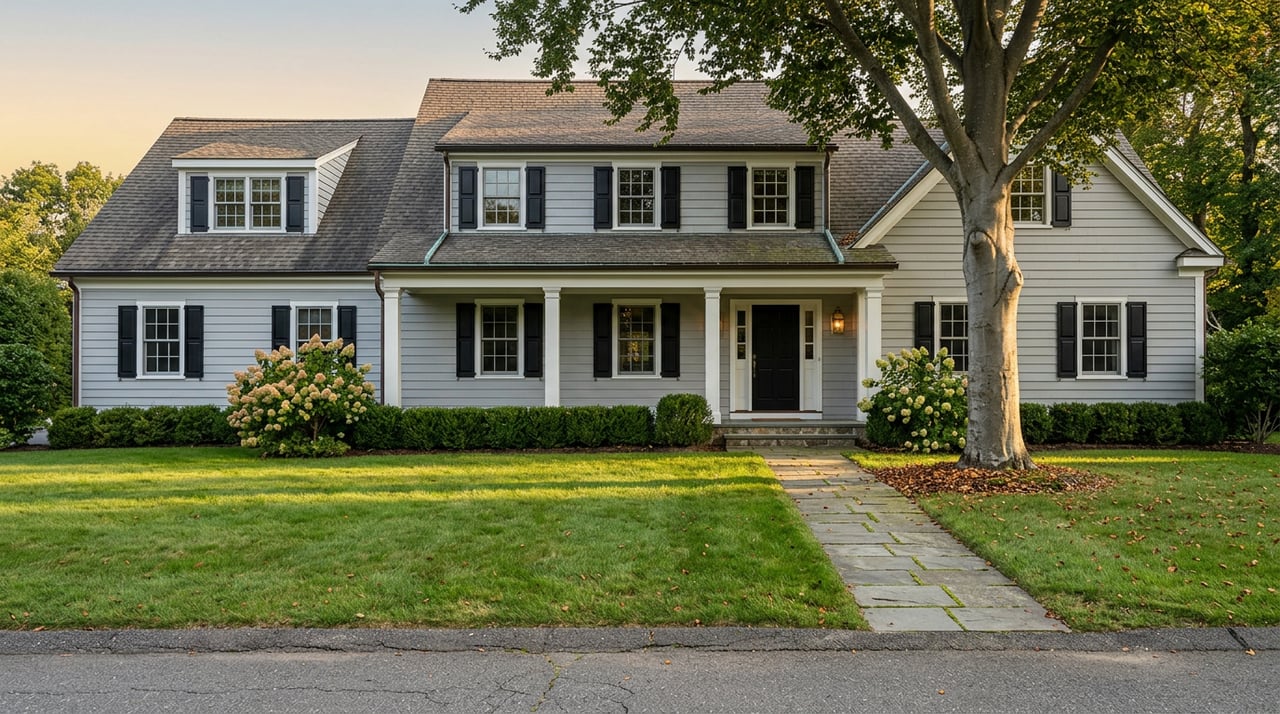
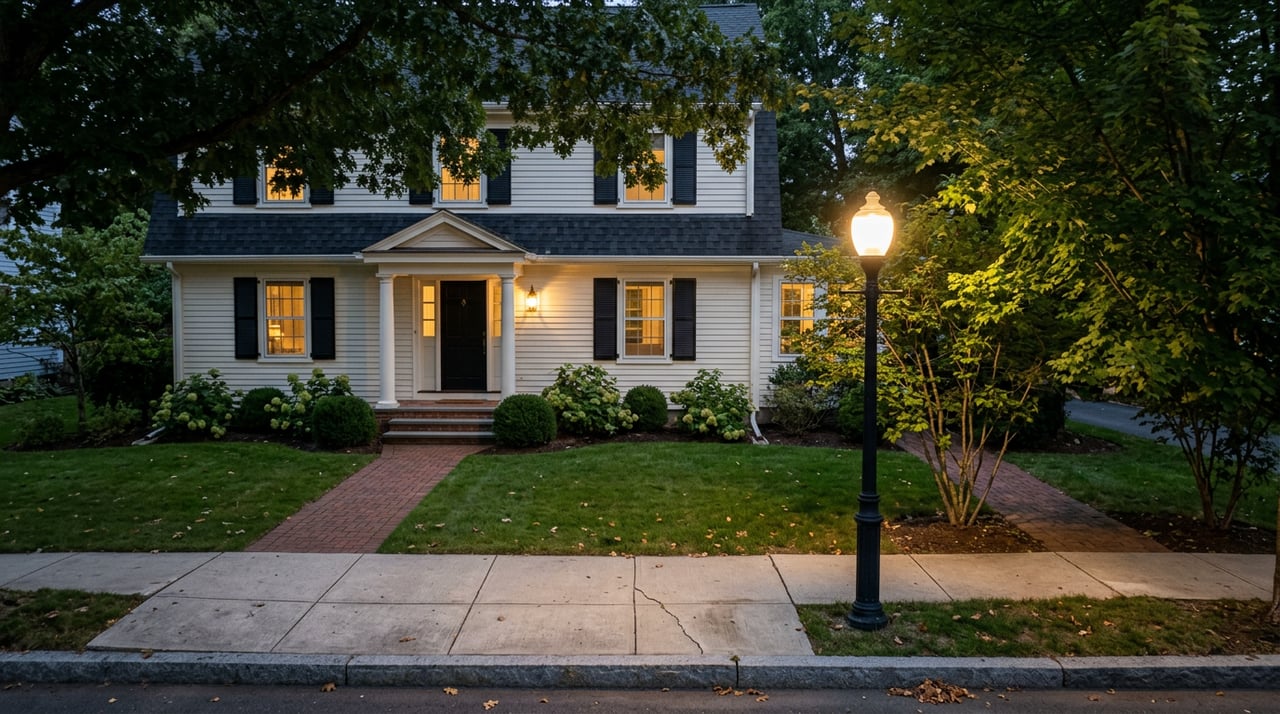
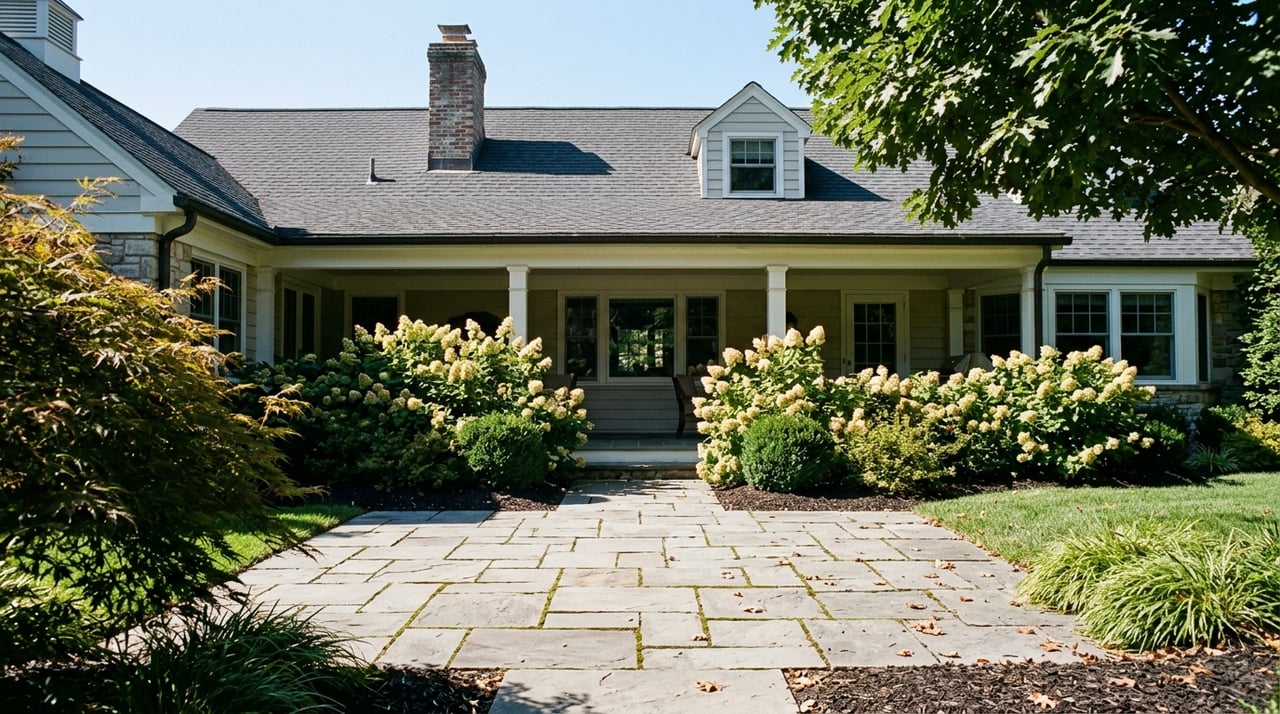
Belmont’s housing stock reflects its long-established suburban character. If you are hoping for a close-in town with mostly newer, lower-cost homes, Belmont will probably feel like a stretch.
Belmont’s 2023 to 2028 Housing Production Plan shows that 58.0% of homes were single-family detached in 2020. Another 6.0% were single-family attached, 3.1% were small multifamily buildings with 2 to 4 units, and 32.9% were medium or large multifamily buildings with 5 or more units.
Nearly 60% of homes were built before 1940. The town also notes that much of Belmont is zoned in a way that favors detached single-family homes, which helps explain the housing mix you see today.
Belmont is expensive by almost any standard in Greater Boston. Official FY2025 assessment data show average assessed values of $1,648,400 for single-family properties, $682,129 for condominiums, and $1,227,268 for two-family homes.
The same report lists an average FY2025 single-family tax bill of $18,775.27 and a residential tax rate of $11.39 per $1,000 of assessed value. These are assessed values rather than listing prices, but they are useful for understanding Belmont’s overall cost structure.
Current market trackers point to similarly high price expectations. Redfin reported a median sale price of $1.4 million in March 2026, while Zillow reported an average home value of about $1,458,987 and a median list price of $1,509,300 as of March 31, 2026.
For many relocating professionals, Belmont’s pricing leads to a fairly clear set of tradeoffs:
This is one of the biggest reasons Belmont works best for buyers who value location and commuter convenience enough to pay a premium for it.
A suburb only works long-term if it supports your life outside office hours. Belmont’s appeal is not just about access to Boston or Cambridge. It is also about how easily you can handle everyday routines close to home.
Belmont has three established commercial centers: Belmont Center, Waverley Square, and Cushing Square. The town identifies Belmont Center as the civic center and one of its active commercial hubs, while Waverley Square and Cushing Square also serve as distinct commercial areas.
For buyers, that matters because it creates more than one local destination for errands, services, and daily convenience. It also helps Belmont feel like a town with multiple neighborhood anchors rather than a purely residential place where every outing requires a longer drive.
Belmont also offers a strong collection of public amenities. The town’s parks page lists Town Field, Pequossette Park, Winn Brook Fields, Grove Street Park, Payson Park, Chenery Middle School Field, and Underwood Park.
The Recreation Department states that its mission is to improve quality of life through programs, activities, and events. Belmont also includes civic amenities such as the Belmont Public Library, the Beech Street Center, and the Town Hall complex in Belmont Center.
For many buyers, these features support the kind of work-life balance that makes a demanding commute more manageable. You are not just buying access to Boston. You are also choosing how your local routine feels on weeknights and weekends.
Belmont tends to be a strong fit if you want a close-in suburban location with several commuting options and you are comfortable with premium pricing. It can work especially well for professionals and executives who split time between Boston, Cambridge, and nearby employment centers.
It may be less compelling if your top priority is subway-at-the-door convenience or a significantly lower purchase price. In that case, Belmont’s location may still impress you, but the value equation could feel harder to justify.
The core Belmont tradeoff is straightforward. You are paying for proximity, an established housing stock, and a suburban setting that still keeps you relatively close to Boston and Cambridge.
For the right buyer, that is a smart trade. If your schedule, budget, and housing goals line up with what Belmont offers, it can be one of the more practical close-in suburbs for a Boston-area commute.
If you are weighing Belmont against Newton or other nearby towns, the right answer usually comes down to your weekly routine, preferred home type, and comfort with carrying costs. If you want tailored guidance on Belmont and other close-in suburbs, the Barry-Beaver Team can help you compare options with a clear, data-driven lens.
Stay up to date on the latest real estate trends.
Barry-Beaver Team is dedicated to helping you find your dream home and assisting with any selling needs you may have. Contact us today to start your home-searching journey!