Who Else Is Bidding on That Newton Cape? The Teardown Math Behind the City's Older Homes
October 29, 2026
October 29, 2026
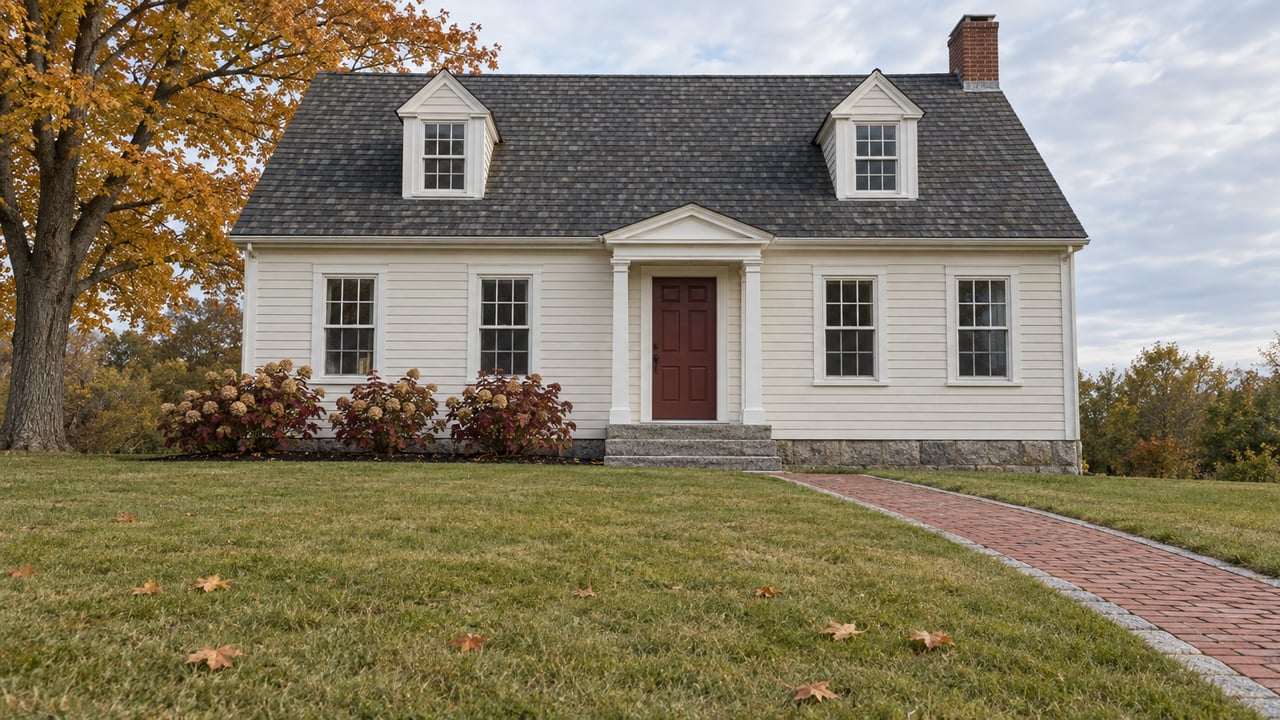
The house at 36 Roland Street in Newton Highlands was 960 square feet, built in 1950, on an 11,749-square-foot lot. It sold for $1,190,000. Its 2025 replacement is a single-family home of about 5,600 square feet, and it sold for $3,700,000.
That pair of numbers comes from an analysis Councilor Pamela Wright presented to the City Council's Zoning & Planning Committee on September 14, reported by Fig City News. The numbers point to how pricing works in much of Newton: a modest older house on a usable lot competes against what could be built in its place, so its price tracks the builder's numbers more than the house next door.
For buyers comparing Newton with nearby towns, that means your competition for a 1950s cape may not be another family. For owners of those houses, it means the most important number may be the lot. Both groups should also know that the City is changing the rules that set that math. One change took effect this year. Another is being drafted now.
Wright's study, done with intern Sam Gelber, used the City Assessor's database, Inspectional Services demolition permits and real estate listings. It covered 402 residential properties that had been demolished or were being redeveloped between 2021 and 2026. Of those, 239 had finished replacement homes and 149 were still in progress.
The demolished houses had a lot in common. Fifty-eight percent were smaller than 2,000 square feet, with a median of 1,866 square feet, and most were built before 1960. Fig City News described them as "modest capes, colonials, and ranches." The replacements averaged 4,785 square feet of living area, about 2.4 times the size of the homes they replaced, and one-third were larger than 5,000 square feet. Completed replacements sold for about $4 million on average.
Wright treated the figures as broad trends. In some cases the original home's square footage was no longer in the Assessor's records and had to be estimated. The examples presented to the committee show the pattern in specific places:
| Address | Lot | Original home | Replacement |
|---|---|---|---|
| 28 Dorothy Road, Newton Centre | 23,913 sq ft | 1953, 2,374 sq ft, sold for $1.65M | 2025, 5,706 sq ft, sold for $5.3M |
| 101 Alban Road, Waban | 19,647 sq ft | 1910, 2,180 sq ft, sold for $1.775M | 2025, 5,226 sq ft, listed at $7.25M |
| 36 Roland Street, Newton Highlands | 11,749 sq ft | 1950, 960 sq ft, sold for $1.19M | 2025, about 5,600 sq ft, sold for $3.7M |
| 27-29 Indiana Terrace, Newton Upper Falls | 8,307 sq ft | 1906 two-family, 1,718 sq ft | Two condominiums totaling 4,484 sq ft, sold for $3.525M |
The Massachusetts Association of Realtors' September 2026 report for Newton puts the single-family median sale price at $1,860,000 for the month. The year-to-date median through September 2026 is $1,880,000, down 3.8 percent from the same period in 2025.
Compare those figures with the table. Builders paid between $1.19 million and $1.775 million for the original houses, which is close to, or a little below, Newton's citywide single-family median. Their exit prices ran from $3.7 million to a $7.25 million listing. When a builder can expect about $4 million for a finished house, a lot carrying a small mid-century home can support a bid near the median even if the house itself needs everything.
That changes how the city's numbers read. A buyer who finds a dated ranch on a generous lot "priced at the median" is often looking at a land price. Families planning to renovate end up bidding against someone whose spreadsheet ends at a much higher number.
It also helps explain why older inventory doesn't stay on the market long. As of September 2026, MAR counted 136 Newton single-family homes for sale, equal to 3.3 months of supply. Homes that sold that month averaged 45 cumulative days on market and got 97.8 percent of their original list price. Through the first nine months of 2026, that figure was 99.9 percent. One month's sample in Newton is small, 30 closed sales in September, so the year-to-date numbers are the steadier guide.
Teardowns happen all over the city, but some villages have far more than others. The analysis counted 73 demolitions in Oak Hill, 52 in Nonantum, 48 in West Newton, 44 in Oak Hill Park, 39 in Waban, 33 in Newton Centre and 17 in Newtonville. By zoning district, the most were in SR2 with 130, followed by MR1 with 115 and SR3 with 97.
Wright's presentation grouped the activity into three patterns:
The Indiana Terrace example fits the third pattern. A 1906 two-family became two condominiums that sold for a combined $3.525 million. So the buyer pool for an older two-family on a northern corridor can include developers who plan to rebuild it as condos.
The builder's math depends on how much house the zoning allows on a lot. Since March 1, 2026, a new limit has been in effect. Under Newton's residential façade build-out ratio ordinance, the front of a detached single-family or two-family home can be no wider than 60 percent of the lot's frontage along the primary front lot line.
Several details in the text affect specific lots:
City planning officials have said the regulation was developed partly in response to smaller homes being replaced by houses that look out of scale with their neighbors. For a seller, the rule matters because it shapes what a builder can put on a particular lot, and frontage now plays into that. Two lots of the same size can have different redevelopment potential depending on how wide they are at the street.
The other variable is time, and this is the friction that tends to surprise people during a sale. The Newton Historical Commission's application guidance says any owner proposing to demolish, fully or partially, a building or structure 50 or more years old must file. That includes garages and sheds.
According to the Commission's process guide and FAQ, staff check the application and a Preservation Planner evaluates whether the building is historically significant. Significant cases go to a Commission meeting for a vote. If the Commission finds a building "preferably preserved," a 12-month demolition delay applies. Properties on the National Register of Historic Places get 18 months. A waiver for full demolition can't be granted until four months after that finding, and it requires Commission approval.
According to the City-hosted ordinance text, a waiver requires the applicant to show either a bona fide, reasonable but unsuccessful effort to find a purchaser willing to preserve, rehabilitate or restore the building, or agreement to demolition-permit conditions approved by the Commission. That ordinance copy describes the covered buildings differently from the Commission's current 50-year guidance, so check how it applies to a specific property with the City's Planning Department.
The process is used a lot. Planning staff told the Zoning & Planning Committee on October 14 that Newton receives nearly 300 full and partial demolition applications a year and that the ordinance applies to 73 percent of the city's properties, Fig City News reported. At that meeting, six members favored a longer delay period in straw votes, six favored a longer waiver period, and seven favored covering houses that are important even if not strictly historically significant. Councilors also discussed demolition-by-neglect protections, incentives for partial rather than full demolition, and the burden on homeowners who are not developers. The committee held the items 8-0 so Planning could return with draft language.
The City Clerk's agenda for the committee's October 26 meeting put the demolition-delay ordinance, the review of other towns' ordinances and the proposed amendments to preserve Newton homes back on the docket. As of that agenda, all three were still listed for discussion. None had been adopted.
Here is why this matters for a sale. A buyer who plans to rebuild is pricing a lot and also a schedule. A longer delay, or broader coverage of non-historic houses, would change what the builder's money costs while the project waits. A longer delay also gives preservation-minded buyers more time to make an offer. Owners of pre-1960 houses on lots that would interest a builder should follow this item through the winter, since any change would affect the timeline a rebuilding buyer has to price in.
This post reports on rules and how they are moving. It is general information, not legal, tax or financial advice. Confirm how any ordinance applies to your property with the City or a qualified attorney.
Does every older house in Newton face a demolition delay? No. Under current Commission guidance, filing for review is required for structures 50 or more years old. A delay applies only if the Commission finds the building historically significant and "preferably preserved."
Does the façade rule apply if I am adding on rather than rebuilding? The ordinance covers detached single- and two-family homes. If an existing house is already over the 60 percent limit, additions can widen the front elevation by no more than 10 percent of its width. Anything beyond that requires a City Council special permit.
Which villages see the most rebuilding? In the 2021 to 2026 analysis, the counts were highest in Oak Hill, Nonantum, West Newton, Oak Hill Park, Waban and Newton Centre.
If you own a modest older home in Newton, it's worth knowing what your lot is worth to a builder before you set a price. The Barry-Beaver Team prices Newton homes against both kinds of buyers, the family who will move in and the builder who will start over, and we're tracking the frontage rule and the demolition-delay debate as they change. Request a complimentary home valuation, and we'll show you where your property fits.
Stay up to date on the latest real estate trends.
Barry-Beaver Team is dedicated to helping you find your dream home and assisting with any selling needs you may have. Contact us today to start your home-searching journey!