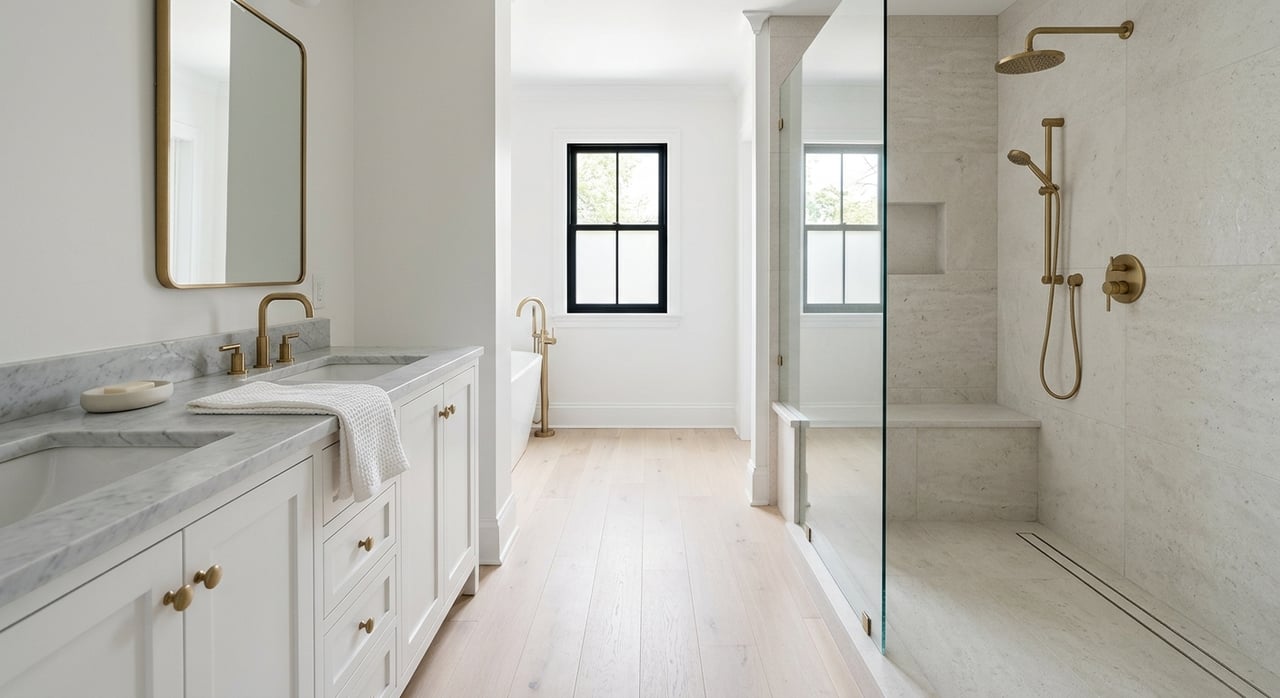
Belmont Downsizing Homes for Empty Nesters
June 18, 2026
June 18, 2026
If your house feels bigger than your life right now, you are not alone. Many Belmont homeowners reach a point where extra bedrooms, steep stairs, and ongoing upkeep start to feel less like a benefit and more like a burden. The good news is that downsizing does not have to mean leaving the community you know. In Belmont, you have several realistic paths to simplify your next chapter while staying focused on comfort, convenience, and long-term fit. Let’s dive in.
Belmont is well suited to this conversation because many homeowners are already in a similar life stage. The Belmont CDP had 27,295 residents, with 19.3% age 65 and older, a 64.7% owner-occupied housing rate, and a median owner-occupied home value of $1,159,000. That points to a community with many established owners who may be weighing whether to stay put, adapt, or move within town.
Belmont is also still largely shaped by detached single-family housing. The town’s 2023 to 2028 Housing Production Plan says most land is zoned to favor single-family homes, which helps explain why many downsizing decisions here are less about leaving suburban living behind and more about finding a better-fit version of it.
Before you look at square footage, think about how you want daily life to feel. Some homeowners want less yard work and fewer stairs. Others want to stay close to familiar routines, keep space for guests, or reduce driving.
A smart downsizing move usually starts with your priorities, not a property type. In Belmont, the best option may be staying in your current home with changes, moving to attached housing with lower maintenance, or finding a smaller single-family home in a more convenient location.
If you love your location and your home still works in many ways, adapting it may be the simplest path. This can be especially appealing if your support network, routines, and favorite destinations are already nearby.
Belmont approved an ADU bylaw at the March 2025 Town Meeting to comply with the 2024 Affordable Home Act. The town also maintains an ADU resource page that directs residents to planning staff and design resources. For some owners, that creates a local path to rethink how existing space is used without giving up the property.
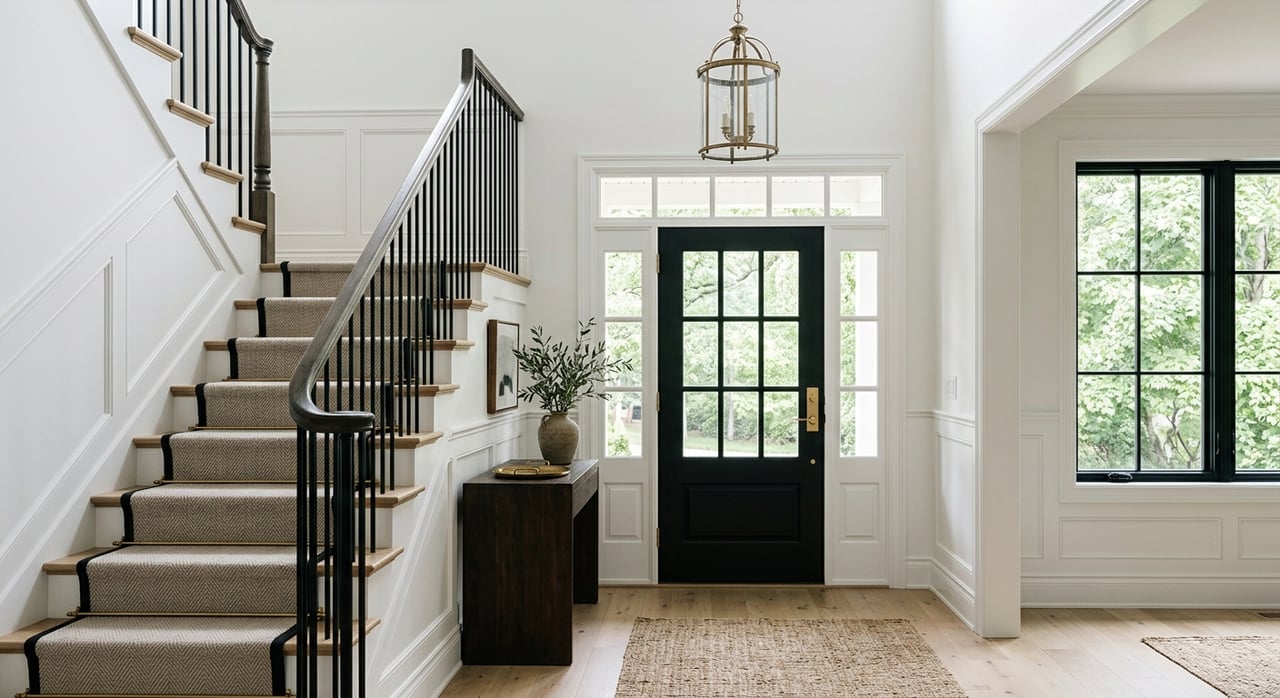
Staying put can also mean making the home easier to navigate. A practical review might include lighting, stair safety, entry access, flooring, and how much of daily life depends on going up and down stairs.
When you assess whether your current home can serve you well over time, focus on function. Features highlighted by accessibility and home safety guidance include:
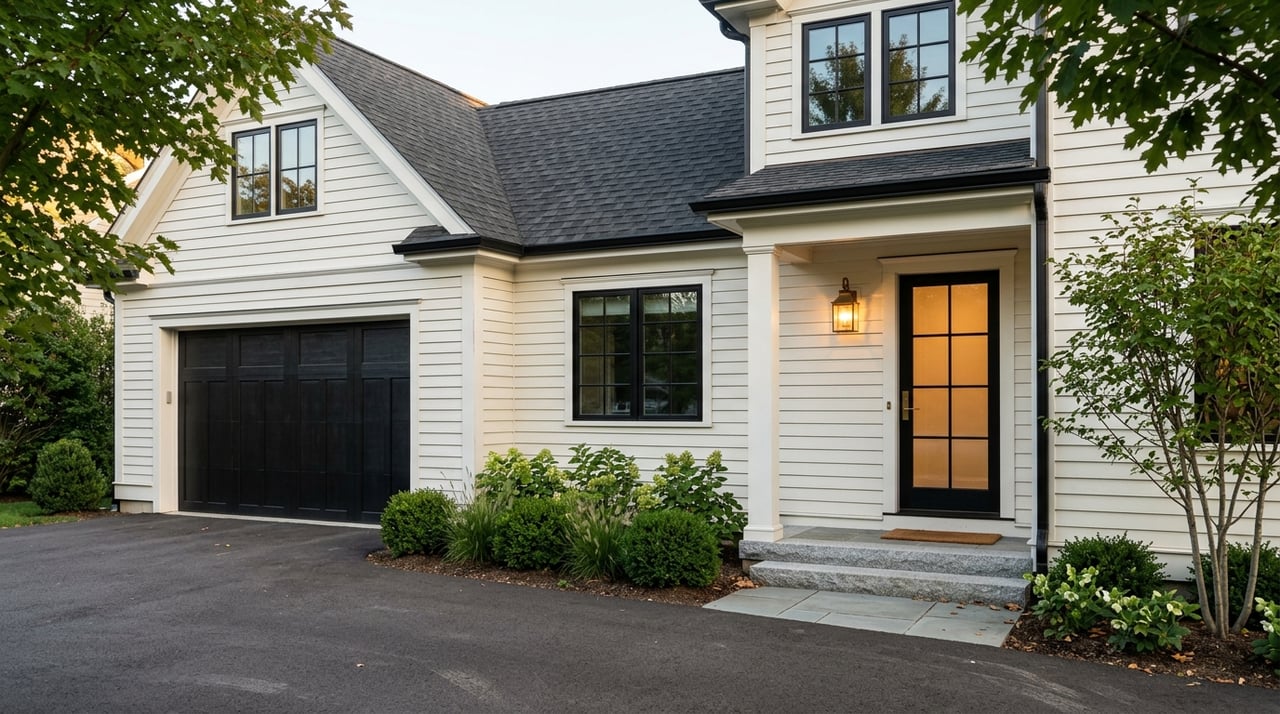
In Belmont, it also helps to think beyond a checklist. Ask yourself how easy it is to get from parking to the front door, whether the kitchen and primary bedroom are on practical levels, and how demanding the exterior upkeep feels from season to season.
If your goal is less upkeep without leaving Belmont, attached housing may be worth a close look. Town policy discussions have specifically included townhomes, townhouses, and other missing-middle housing forms as part of the mix Belmont wants to enable near transit.
This matters because lower-maintenance living is often about more than the home itself. Belmont’s MBTA Communities FAQ notes that compact, denser development tends to be more walkable and bikeable and can support easier access to shops, jobs, restaurants, parks, and other daily destinations.
For many empty nesters, that combination can feel like the right trade. You may give up some space or a larger yard, but gain convenience, simpler exterior maintenance, and a layout that better matches how you live now.
Not every townhome or condo lives the same way. As you compare options, pay attention to:
A smaller home with a smart layout often feels better than a larger home with awkward circulation. That is especially true if stairs are becoming more of a concern.
Some homeowners want to simplify without changing housing style too much. In Belmont, that often means looking for a smaller detached home rather than making a major shift to a very different setting.
Because Belmont’s housing stock remains heavily oriented toward detached homes, this route can offer continuity. You may keep the familiar feel of a single-family property while reducing the amount of space, maintenance, or stair-heavy living that no longer fits your needs.
This option often works best when you focus on footprint and location together. A smaller home closer to daily conveniences may improve your lifestyle more than a larger home that still asks too much of you physically or logistically.
One of the biggest downsizing mistakes is focusing only on square footage. What matters more is how the home supports your everyday routine.
A well-designed home can feel easier, safer, and more comfortable even if it is not dramatically smaller. In many cases, the better question is not “How many square feet do I need?” but “How easy will this home be to live in every day?”
Use this checklist as you evaluate homes in Belmont:
That last point matters more than many people expect. In a town like Belmont, convenience often comes from how your home connects to the places you visit every week.
Belmont offers several centers that can shape day-to-day convenience. The town identifies Belmont Center, Cushing Square, and Waverley Square as its three commercial centers, and local bus service connects key parts of town. Belmont Center is served by buses 74 and 75, Waverley by 73 and 554, and Concord Avenue by 78.
Belmont is also a commuter rail town. The town’s hazard mitigation plan says there are two MBTA commuter rail stops in Belmont. For downsizers who want the option to drive less, proximity to these areas can be a meaningful part of the decision.
You do not have to live in the busiest location to benefit from convenience. Even being a bit closer to a square, a bus route, or familiar services can change how easy your week feels.
Housing is only part of the picture. Local support services can make staying in place or moving within Belmont more practical and more comfortable.
Belmont’s Council on Aging offers social work, Medicare counseling, home safety support, meals, fitness, technology assistance, and transportation. The Beech Street Center is located at 266 Beech Street. Belmont also offers the BelderBus program for residents over 60 or adults with disabilities, including trips around Belmont, medical appointments, and pre-reserved shopping and social trips.
These resources can influence where and how you choose to live. For some homeowners, nearby support makes staying in a longtime home more realistic. For others, it strengthens the case for moving to a home that is smaller, simpler, and easier to manage.
If you are weighing your options, start by separating emotion from logistics. It is normal to feel attached to a home where you have spent many years, but it is also wise to ask whether that home still fits the way you want to live.
A clear plan usually starts with three questions:
Once you answer those questions, the path often becomes easier to see. In Belmont, downsizing does not have to be a retreat. It can be a thoughtful move toward easier maintenance, better flow, and a lifestyle that supports you for years to come.
If you are thinking about selling a longtime Belmont home or exploring your next move within town, the Barry-Beaver Team can help you evaluate your options with clear market insight and thoughtful, high-touch guidance.
Stay up to date on the latest real estate trends.
Barry-Beaver Team is dedicated to helping you find your dream home and assisting with any selling needs you may have. Contact us today to start your home-searching journey!