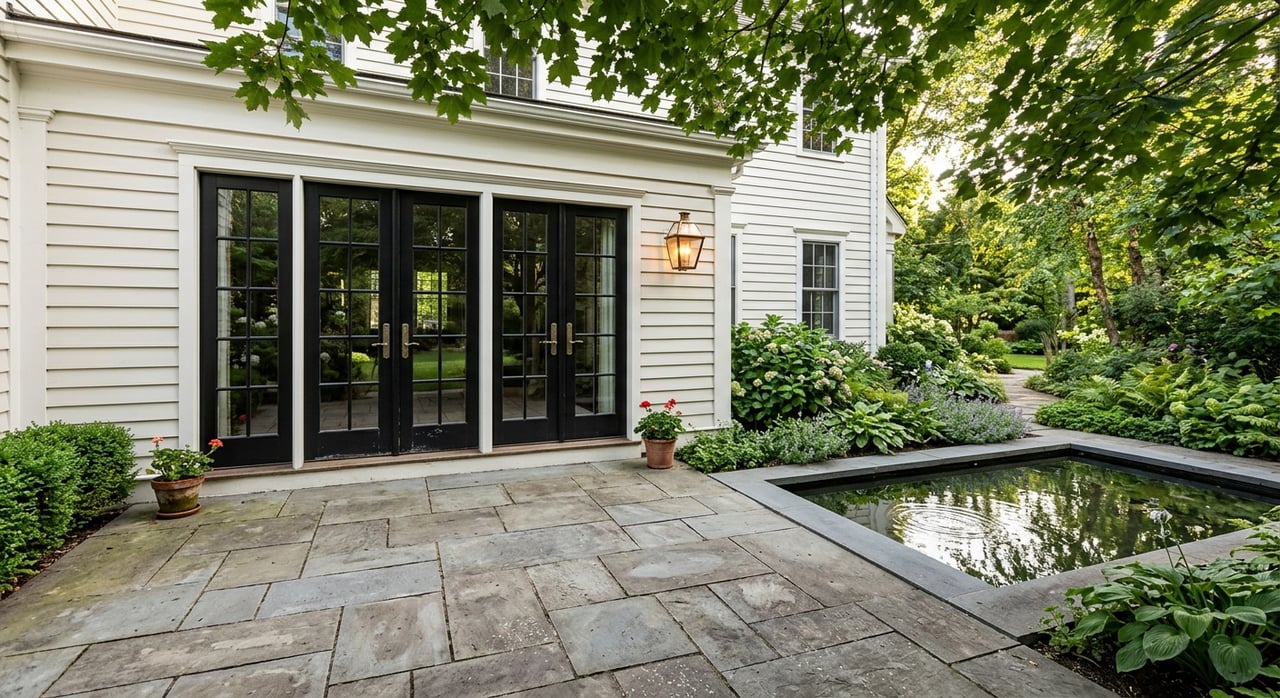
Living in Newton MA: Finding the Right Village Fit
June 4, 2026
June 4, 2026
What does daily life in Newton actually feel like once the moving boxes are gone? If you are considering a move here, or thinking about how to position your home for sale, that question matters more than any simple neighborhood label. Newton is a city where lifestyle often comes down to the village you live in, so understanding those day-to-day differences can help you make a smarter decision. Let’s dive in.
Newton does not revolve around one traditional downtown. Instead, the city is organized around 13 distinct village centers shaped by older settlement patterns tied to rail lines, rivers, mills, and civic institutions.
That village structure still shapes everyday life now. In many parts of Newton, your regular routine happens close to home, whether that means grabbing coffee, running errands, visiting a park, or heading to a transit stop within a walkable village area.
City planning materials describe village centers as places that work on a walkable scale, often within about a 5 to 10 minute walk from core to edge. Newton also emphasizes connections to parks, recreation centers, civic institutions, transit stops, and village centers through low-stress walking, rolling, and biking routes.
Newton’s villages are not all built the same. Some have larger commercial districts with dozens of storefronts, while others are quieter and more convenience-oriented.
The city identifies Newton Centre, Newtonville, Nonantum, and West Newton as village centers with broader mixes of shopping, dining, entertainment, banks, salons, clothing stores, and restaurants. Neighborhood centers like Auburndale and Newton Highlands are smaller in scale, while Newton Corner functions more as a gateway center with offices and services near major transportation hubs.
That difference matters when you picture your routine. If you want more activity close at hand, one village may fit better than another. If you prefer a quieter residential feel with just a few nearby conveniences, a smaller-scale village may be a better match.
For many buyers, commute options are a big part of quality of life. Newton offers a mix of Green Line access and commuter rail access, but that convenience is not spread evenly across every village.
The city lists Green Line stops at Riverside, Woodland, Waban, Eliot, Newton Highlands, Newton Centre, and Chestnut Hill. Commuter rail stops on the Worcester/Framingham line serve Auburndale, West Newton, and Newtonville.
In practical terms, some villages feel more transit-oriented, while others feel more car-oriented with access to nearby rail or bus service. If your weekly routine includes regular commuting, that village-by-village difference can be one of the most important factors to weigh.
Newton’s lifestyle is not just about shops and commuting. Open space and recreation are a real part of the city’s rhythm.
The city maintains about 1,200 acres of parkland, playgrounds, school grounds, and burial grounds. It also offers camps, sports clinics, after-school programs, swim facilities, senior trips and activities, and one of the state’s largest therapeutic recreation programs.
That means your village choice often affects how easily you can work parks, trails, fields, and outdoor time into your week. In Newton, recreation is often woven into everyday life rather than treated as a special destination.
Newton Centre often feels like the most active all-day village environment in the city. It has one of the broadest mixes of stores, dining, and gathering spaces, making it a strong fit if you want walkability and regular activity nearby.
The recreation options reinforce that feel. Newton Centre Playground is a 17.9-acre multi-use park with ballfields, tennis courts, an off-leash area, and the Jeannette West Recreation Center.
Crystal Lake adds another layer to everyday life in this area. As the city’s lake and summer swimming beach, it gives residents seasonal access to swimming, with weekly water-quality testing during the beach season.
The village also has public gathering space through the Newton Centre Pilot Plaza, which has hosted events, business promotions, and seasonal activities. If you like the idea of being able to combine errands, dining, recreation, and community events in one area, Newton Centre stands out.
Newtonville often appeals to people who want a classic commuter village feel. It combines a historic commercial core with commuter rail access and substantial neighborhood recreation.
Cabot Park is a major everyday asset here. The 11.6-acre park includes ballfields, tennis courts, basketball, a fenced off-leash area, and a recreation building.
That combination can make daily life feel balanced. You have rail access for commuting, local businesses for errands, and a sizeable park nearby for outdoor time and recreation.
West Newton has a strong center-of-town identity. The city notes that it served as Newton’s civic center for decades, and that historic role still shapes how the village feels today.
It also offers commuter rail access and a small business center, which gives it a practical everyday rhythm. For many buyers, West Newton can feel like a middle ground between a village with history and one with useful day-to-day convenience.
If you want a recognizable village center without the busiest retail environment in Newton, West Newton may feel especially appealing. Its identity is rooted in civic importance, but it still supports daily errands and commuting needs.
Auburndale often feels quieter and more residential than the larger village centers. It is a strong match if you want open space, access to the Charles River area, and commuter convenience without a busier commercial setting.
Auburndale Playground, also known as The Cove, gives the area a distinct outdoor character. This large Charles River park includes trails, picnic sites, pickleball, basketball, tennis, skating, and a recreation building.
That kind of amenity shapes daily life in a real way. In Auburndale, recreation and neighborhood living often feel closely linked.
Newton Highlands and Waban both offer a more neighborhood-oriented feel. They combine local errands and transit access with quieter residential streets and a smaller commercial scale.
Newton Highlands is classified by the city as a neighborhood center, while Waban is considered a convenience center. Both are connected to Green Line access, which helps balance a lower-key village atmosphere with practical transportation options.
In the nearby hillside area, local recreation adds to that everyday appeal. Richardson Playground includes a playground, baseball field, and soccer field, while Heartbreak Hill Park at Waban Hill Reservoir offers a walking-trail loop and passive open space.
If your ideal routine includes a calmer environment with useful transit access and nearby outdoor space, these villages are worth a closer look.
Nonantum has one of the strongest local identities in Newton. The city describes it as Newton’s most densely populated village, with roots in immigrant and industrial history.
That density often translates into a close-together feeling between convenience and community life. It is a place where local character and everyday routines tend to feel tightly connected.
Pellegrini Playground supports that neighborhood-scale lifestyle. The park and recreation center includes a gym, meeting room, tennis courts, play areas, a spray pool, and a picnic area.
Chestnut Hill and Newton Corner stand apart from many of the other villages because they support very different lifestyles. Each can be a strong fit, but for different reasons.
Chestnut Hill is often the best match for buyers who prioritize privacy, larger lots, and a more estate-like residential pattern. The city’s historic district materials describe large landscaped lots, winding streets, and a rural neighborhood character, even with access to Route 9 retail and services nearby.
Newton Corner feels more transportation- and commerce-oriented. The city classifies it as a gateway center with offices and support services near major transportation hubs, giving it a more urban feel than most other Newton villages.
A big part of Newton’s appeal is that village life is supported by citywide civic resources. These are the kinds of places that can quietly improve daily life long after move-in day.
The Newton Free Library offers digital resources, eBooks, streaming, study rooms, home delivery, museum and recreation passes, and community events. In Newtonville, the Cooper Center serves as the city’s Older Adult Services hub, with more than 100 programs each week, a walking track, and transportation support connections.
These resources add depth to the village experience. Even if your daily routine stays centered in one part of Newton, you still benefit from a broader network of services across the city.
If you are buying in Newton, it helps to think beyond the map. The better question is often how you want your week to work, from commuting and errands to park access and the level of activity you want around you.
If you are selling, these lifestyle differences matter just as much. Buyers are not only comparing square footage or finishes. They are also comparing how a home connects to village life, recreation, transit, and everyday convenience.
That is why local positioning matters. A thoughtful understanding of how each village lives day to day can help you evaluate a purchase more clearly or present your home in a way that resonates with the right buyer.
If you are considering a move in Newton and want guidance tailored to your goals, the Barry-Beaver Team can help you evaluate village fit, buyer demand, and the details that shape a successful move.
Stay up to date on the latest real estate trends.

Barry-Beaver Team is dedicated to helping you find your dream home and assisting with any selling needs you may have. Contact us today to start your home-searching journey!